: +86-139 0587 7291
 Inglês
 Espanhol
 Russo
Russo Francês
 árabe
árabe Português do Brasil
 Ucraniano
 Turco
Turco polonês
 Neerlandês
 Italiano
 Português Indonésio
 हिन्दी
 اردو
اردو Último
 Հայերեն
 ไทย
ไทย Mongol
 França
 Shqip
Shqip Eloquência


Dimensionamento de disjuntores CC para sistemas de armazenamento de energia BESS
26 de fevereiro de 2026
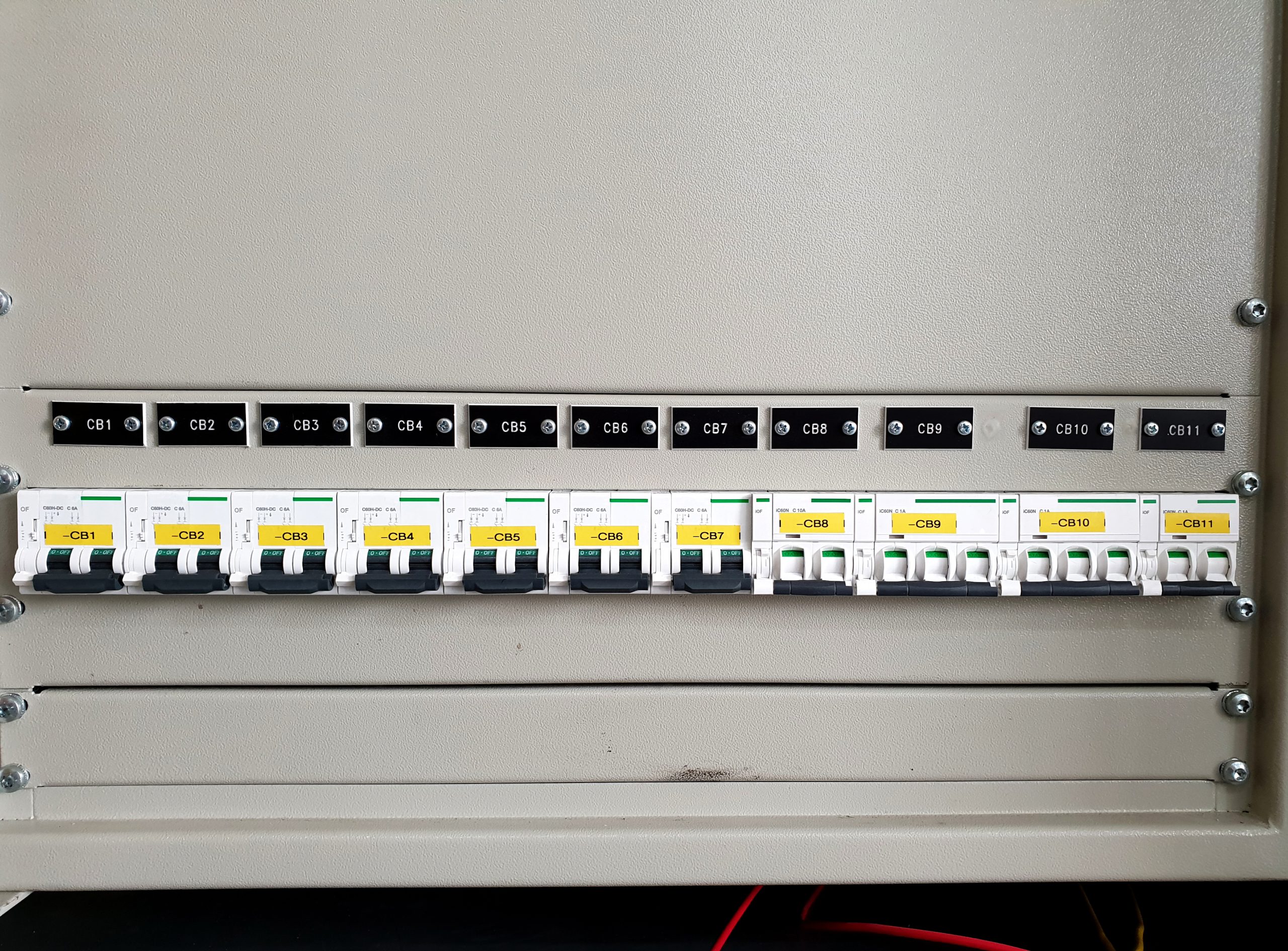
More and more industries are now shifting towards renewable energy. With this growth, the demand for Battery Energy Storage Systems (BESS) is becoming a technical necessity. Since their main purpose is to stabilize microgrids and manage peak demands, integrating these systems requires a deep understanding of DC protection. Unlike traditional AC power, direct current (DC) lacks a “zero crossing point” where voltage drops naturally. This may result in electrical arcs that are more difficult to extinguish and may lead to fire and catastrophic damage. This guide discusses a practical framework for installers and engineers in choosing properly sized DC circuit breakers that comply with international safety standards. Understanding the Core Sizing Requirements of a DC Circuit Breaker Understanding the core sizing requirements of a DC circuit breaker is vital to the safety and reliability of DC systems. This is applicable in applications such as the Battery Energy Storage System (BESS), where precise selection is crucial. Unlike traditional AC power, direct current (DC) lacks a “zero crossing point,” making high-energy faults more difficult to extinguish. This could also lead to catastrophic damage or fire. To ensure your system can safely handle these challenges, evaluate several core sizing requirements such as voltage rating, current sizing, interrupting capacity, and polarity. Here are the factors to consider in choosing a battery protection component: 1. Voltage Rating The most common error in choosing a BESS design is selecting a breaker based on its average battery voltage. For example, a 48V system often reaches more than 58.4V during peak charge. If […]
consulte Mais informação